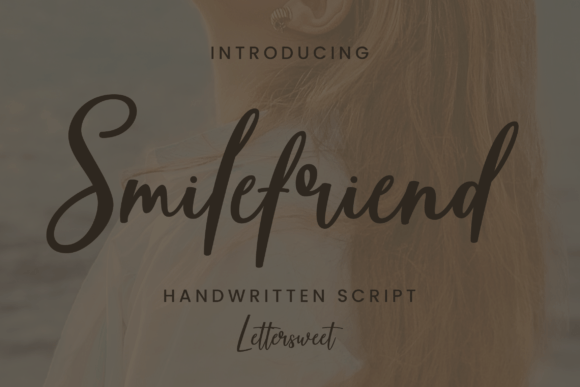
Smilefriend Script Font Review for Digital Branding
I was staring at a blank Figma canvas at 2 AM, trying to fix the visual hierarchy of a boutique coaching website when I decided to stop fighting with generic sans-serif headers. The client wanted warmth, intimacy, and a touch of romance, but every standard web font felt too corporate or cold. That was the moment I pulled Smilefriend into the project. It is not just another decorative typeface; it is a carefully crafted script handwritten style that brings an immediate sense of elegance and personal connection to digital layouts. In this review, I will walk you through how I integrated this beautiful and romantic script font into a real-world web design workflow, focusing on readability, brand trust, and the subtle art of pairing display fonts with functional body copy.
Why Smilefriend Works for Wedding Invitations and Elegant Branding Online
When designers think of Smilefriend, they often picture physical stationery, and rightfully so, because it looks stunning on wedding invitations, thank you cards, quotes, greeting cards, logos, business cards, and every other design which needs a love. However, translating that tactile romance into pixels requires intention. On a screen, script fonts can easily become illegible noise if used incorrectly. My experience testing Smilefriend in a hero section revealed that its flowing ligatures and soft curves create an inviting first impression without sacrificing clarity. For brands in the wedding, lifestyle, or luxury retail niches, using Smilefriend as a primary display font signals sophistication. It tells the visitor immediately that this is a premium experience. Unlike harsh, geometric modern typography, Smilefriend feels human and approachable, which is crucial for building emotional resonance in a digital space where users scan rather than read.
Integrating Smilefriend Into Website Headers and Hero Sections
The most critical test for any decorative font is the hero area. This is where your brand identity lives or dies in seconds. When I applied Smilefriend to the main headline of a landing page, I had to adjust the letter spacing (tracking) slightly to prevent the swashes from colliding on smaller viewports. Web designers know that mobile responsiveness is non-negotiable. If you are planning to use Smilefriend for headlines on mobile devices, ensure the text size remains large enough to be legible. I found that keeping the hero text under three words allowed the font’s personality to shine without overwhelming the user. Pairing this script handwritten style with a clean, minimal background image—perhaps a soft gradient or a high-quality photo with ample negative space—ensures that the typography remains the focal point. This approach works exceptionally well for portfolio sites and creative agencies looking to showcase their aesthetic sensibility.
Smilefriend for Logos, Business Cards, and Digital Assets
One of the strongest use cases for Smilefriend is in logo design and brand asset creation. Because it is a script font, it naturally lends itself to custom wordmarks. I experimented with placing Smilefriend over a dark background for a logo concept and noticed how the white space within the letters created a delicate balance. For business cards and digital ads, this font adds a layer of exclusivity. When designing social media graphics or promotional banners, using Smilefriend for short phrases or pull quotes can break up the monotony of block text. However, caution is advised: do not use Smilefriend for long paragraphs. Its decorative nature makes it fatiguing to read in bulk. Instead, reserve it for titles, subtitles, and key messaging points. This strategic limitation actually enhances its impact, making every instance of the font feel special and intentional.
Font Pairing Strategies: Balancing Smilefriend With Body Copy
No script font stands alone effectively in a full web layout. To make Smilefriend work, you must pair it with a neutral, highly readable typeface. I paired Smilefriend with a simple sans serif font for all body copy and navigation elements. This contrast creates a clear visual hierarchy, guiding the user’s eye from the romantic header down to the informative content. The sans serif provides the structural backbone, while Smilefriend provides the emotional hook. For editorial designs or blog redesigns, a serif font can also work beautifully as a secondary header, creating a classic, magazine-like feel. The key is consistency. By limiting yourself to two or three typefaces—one display script like Smilefriend, one sans serif for UI elements, and perhaps one serif for long-form reading—you maintain a polished online brand experience. This restraint prevents the design from feeling cluttered and ensures that the Smilefriend font remains the star of the show.
Readability and Accessibility Considerations for Script Fonts
As UI designers, we have a responsibility to ensure our choices are accessible. While Smilefriend is gorgeous, script fonts can sometimes struggle with accessibility standards, particularly for users with dyslexia or visual impairments. To mitigate this, I increased the font weight slightly in certain applications and ensured high contrast between the text and background. Avoid placing Smilefriend directly over busy images or complex patterns. Always use a semi-transparent overlay or a solid color box behind the text to guarantee legibility. Furthermore, check the included styles before purchasing. Some script fonts lack italic variants or bold weights, which can limit your flexibility in responsive design. Smilefriend offers a cohesive set of characters that maintain consistent stroke width, which helps in maintaining readability across different screen sizes. Testing the font on actual devices—both iOS and Android—is essential to see how the curves render on different pixel densities.
Commercial Licensing and File Formats for Professional Use
Before integrating Smilefriend into client projects or commercial products, verifying the license is paramount. Most premium fonts come with specific terms regarding webfont embedding, print runs, and merchandise. Ensure you have the appropriate commercial font license if you are using Smilefriend for client websites, online stores, or digital templates. Check the file formats provided; typically, you will receive OTF, TTF, and WOFF/WOFF2 files. The WOFF2 format is ideal for web performance, as it offers superior compression for faster loading times. Additionally, look for multilingual support if your target audience speaks multiple languages. A comprehensive character set allows you to include accented characters seamlessly, which is vital for global brands. By doing your due diligence on licensing and technical specs, you protect your business and ensure a smooth deployment process.
Final Verdict: Elevating Your Design with Smilefriend
In conclusion, Smilefriend is more than just a pretty typeface; it is a powerful tool for conveying emotion and elegance in digital design. Whether you are crafting a wedding invitation template, designing a luxury brand identity, or simply adding a touch of romance to a blog header, this script handwritten font delivers. It bridges the gap between traditional calligraphy and modern web aesthetics, allowing creators to build memorable, user-friendly experiences. By using Smilefriend strategically—pairing it with clean sans serifs, respecting readability limits, and applying it to high-impact areas like headers and logos—you can significantly elevate the perceived value of your work. For web designers and digital product creators seeking to add a layer of sophistication and warmth to their projects, Smilefriend is an excellent addition to any design asset library.